I wanted to start a discussion about maximizing gas transfer inside the pioreactors, and hear your thoughts/solutions on this. In our case the issue is mainly oxygen transfer. We experience that our strain grows significantly slower in pioreactors compared to shake flask experiments. On this forum, some things have been discussed and we’ve tried several things but also run into some issues.
Initially we have tried the method described here, where the stirring rpm is significantly increased to create a V-cone shaped liquid surface to maximize the surface area. Both with the standard stirrer and with bigger stirrer bars: Stop stirring while measuring OD?
However, using this method our OD readings got a lot more noisy and it frequently caused the Pioreactors to get a stirring error (‘‘WARNING Stirring RPM is 0’’). Therefore we decided this method is not ideal. But maybe people are having more succes with it in a way?
Alternatively, we used the pumps to continuously bubble air into the liquid with a needle. This does seem to help the cells, but we still have clear oxygen limitation and no exponential growth.
Finally, we tried using a baffle. But using this meant having a larger total volume & vial to completely submerge the baffle. Also, the baffle couldn’t be anywhere near the bottom as to not interfere with the readings. These two issues combined turned out to only further hamper oxygen transfer and cells in these conditions grew ever slower. Somehow the magnet & baffle combination doesn’t allow for any turbulence created by the stirrer.
So, TL:DR: Does anybody have ideas/experience on how to maximize oxygen transfer without introducing more noise into your readings.
It seems that the second measure you took should have solved the problem. Using a pump to supply oxygen is a standard way of keeping high growth rate in chemostat experiments. Can you increase the strength of bubling? That usually increases growth rate.
I just got my set and will definitely try to test air pumo in maintaining high growth rate.
Any update on this since then? My experience is that increasing air flow does help to some extend, but also comes with a high evaporation rate.
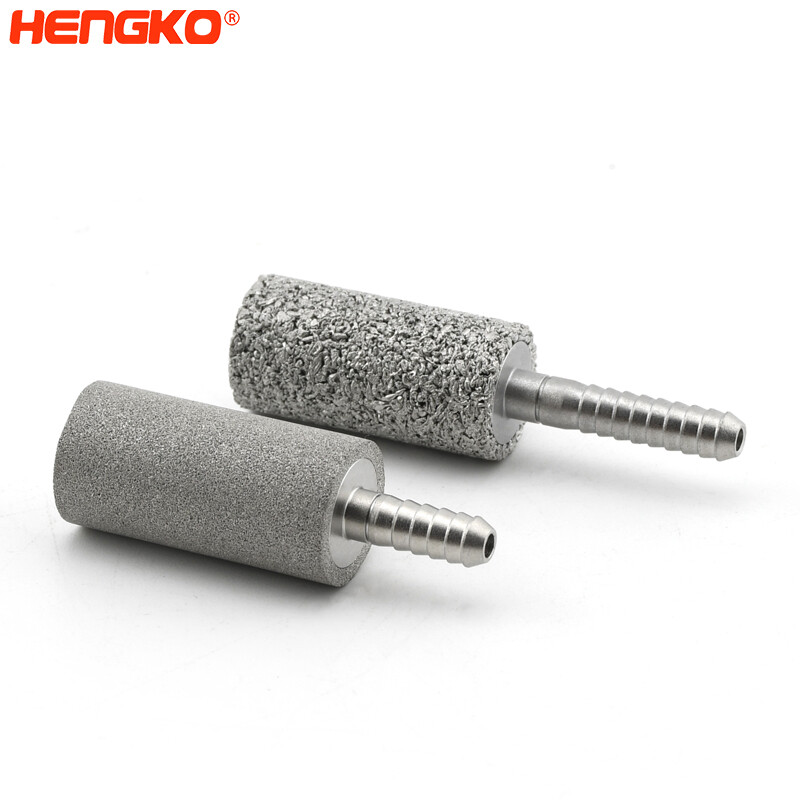
I think the main limitation for oxygen transfer is the bubble size coming from the standard ports. Using a tube with (multiple) smaller holes would help, but I’m not aware of any suitable for the pioreactor. Does someone has experience with small spargers?
My experience agrees with yours. Higher gas flow rate is not sufficient to get a pioreactor to the kLa you would find in a more expensive bioreactor.
Your solution, to decrease the average bubble diameter and thus increase the surface area, was also what I came up with. (As a side note, this doesn’t necessarily solve the evaporation problem, since by increasing the surface area, you might also increase the evaporation rate. If evaporation remains an issue, you can either slightly pre-humidify the air by bubbling it through warm water or use the pioreactor’s pumps to supply small volumes of water over time to make up the difference. You might do both.)
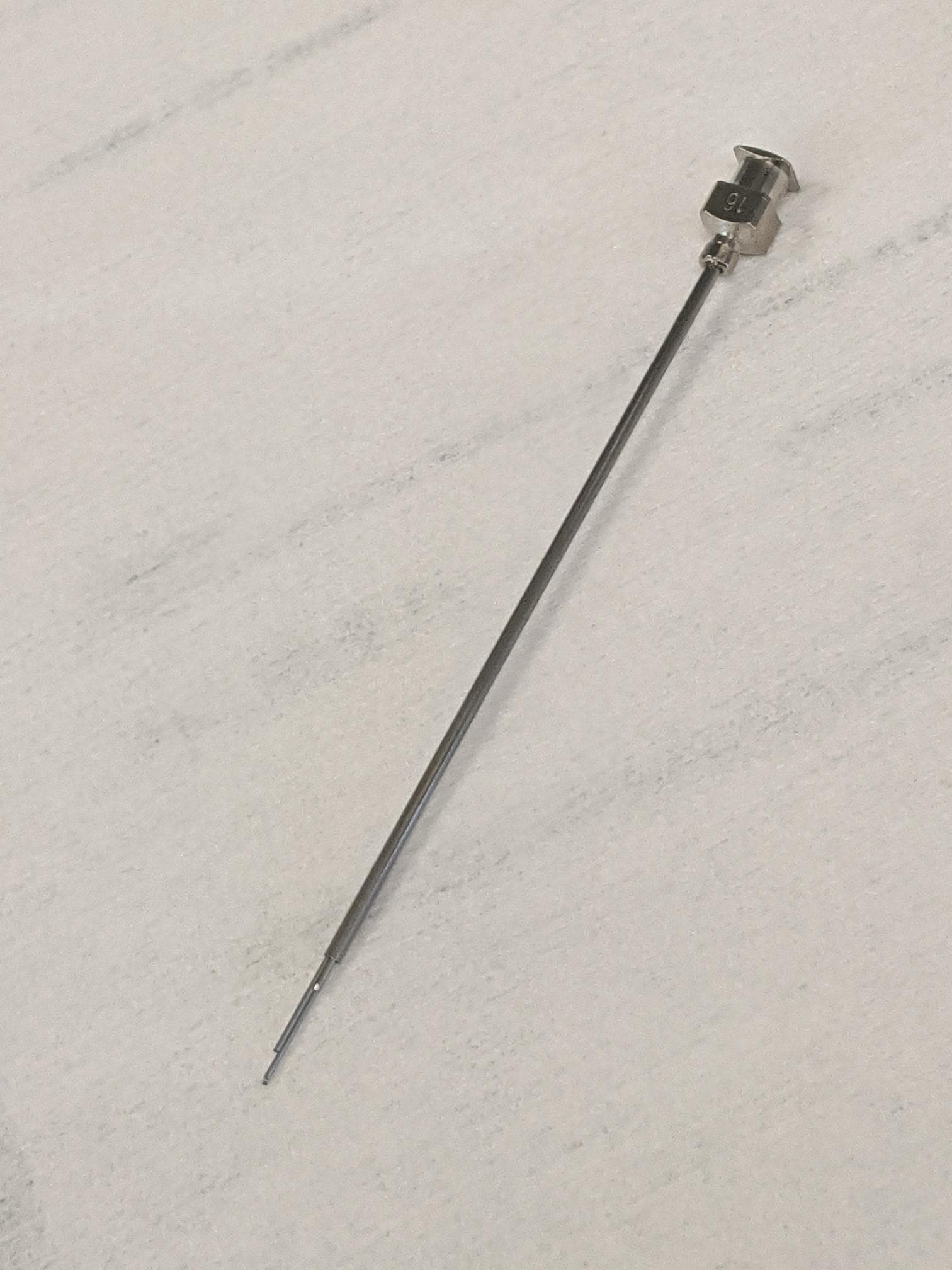
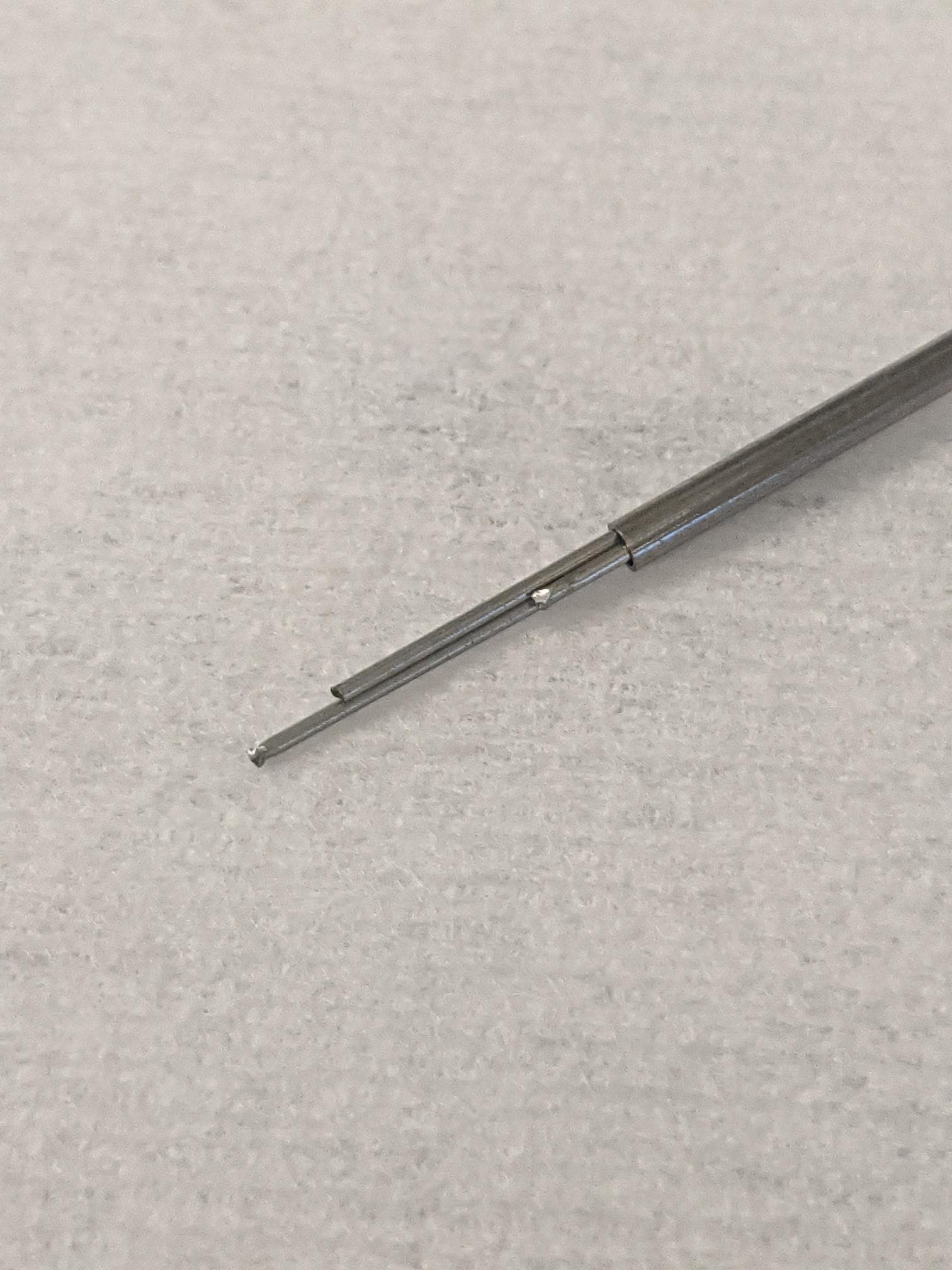
I achieved smaller bubbles by embedding three smaller stainless needles, cut from stock, inside the standard gas inlet tube, with outlets staggered to avoid bubble coalescence. You can friction fit the smaller needles, but I found that unreliable and potentially dangerous, so I eventually settled on bonding them with medical grade epoxy.
This does involve a fair bit of DIY fabrication, and I was pulled off that project before I could finalize the designs and test the effectiveness, but hopefully this gives you somewhere to start.
As another side note, agitation is very important to break up air bubbles, slow bubble coalescence, and increase the residence time of the bubbles in solution. If you are concerned about gas transfer, and air flow is having a limited effect, my first step would be to increase agitation.
However these days we are primarily working anaerobic so no need for sparging. @sharknaro still uses the spargers for supplying several gasses. I think he can tell you which one they are using. Regarding evaporation, yes, you will need to hydrate the airflow inlet through a big bottle. Hope that helps!